

IPCEI @ POLITEHNICA
On October 21, 2026, the POLITEHNICA National University of Science and Technology in Bucharest hosted the IPCEI@POLITEHNICA workshop, an event that brought together participants interested in major projects of common interest in the field of microelectronics.
October 21, 2026
What We've Accomplished in the First Ten Months
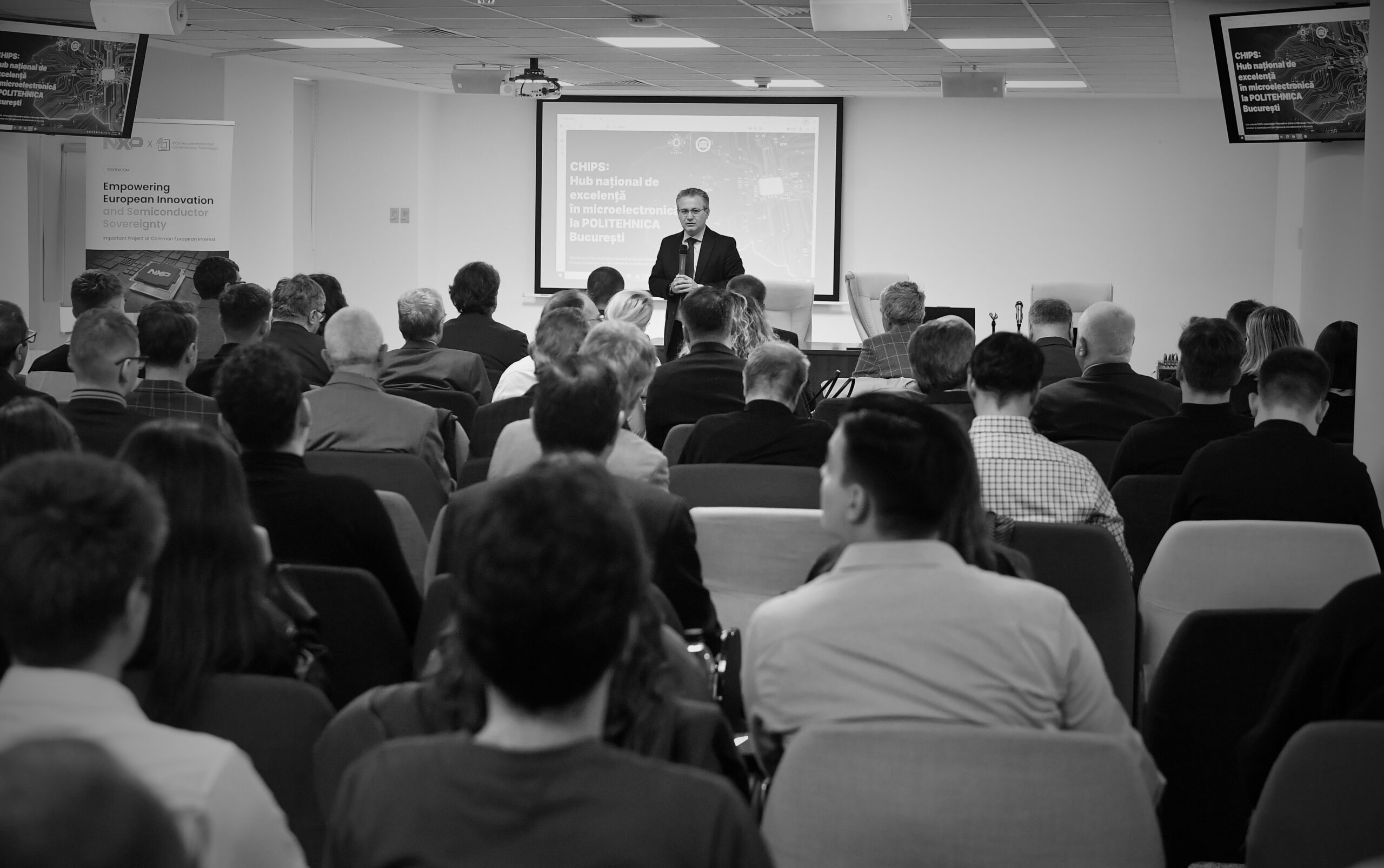
The research teams presented the results obtained since the project’s launch in January 2026 to the present. The event was attended by representatives from NXP Semiconductors Romania, our direct partner, the Ministry of Investments and European Projects (MIPE), and the Ministry of Economy, Digitalization, Entrepreneurship, and Tourism (MEDAT), along with the researchers and students involved in the project.
Where Are We Now?
The year 2026 is dedicated to the phase of definition. The teams are analyzing what already exists in the field, defining requirements, collecting data, and conducting initial experiments. Based on this groundwork, the implementation phase will begin in 2027, followed by the validation phase in 2028.
9
Completed Deliverables
17
SCIENTIFIC PAPERS
3
ARTICLES UNDER REVIEW
A10 · Electrical model of batteries to extend their service life
Laboratory tests monitor battery health and aging
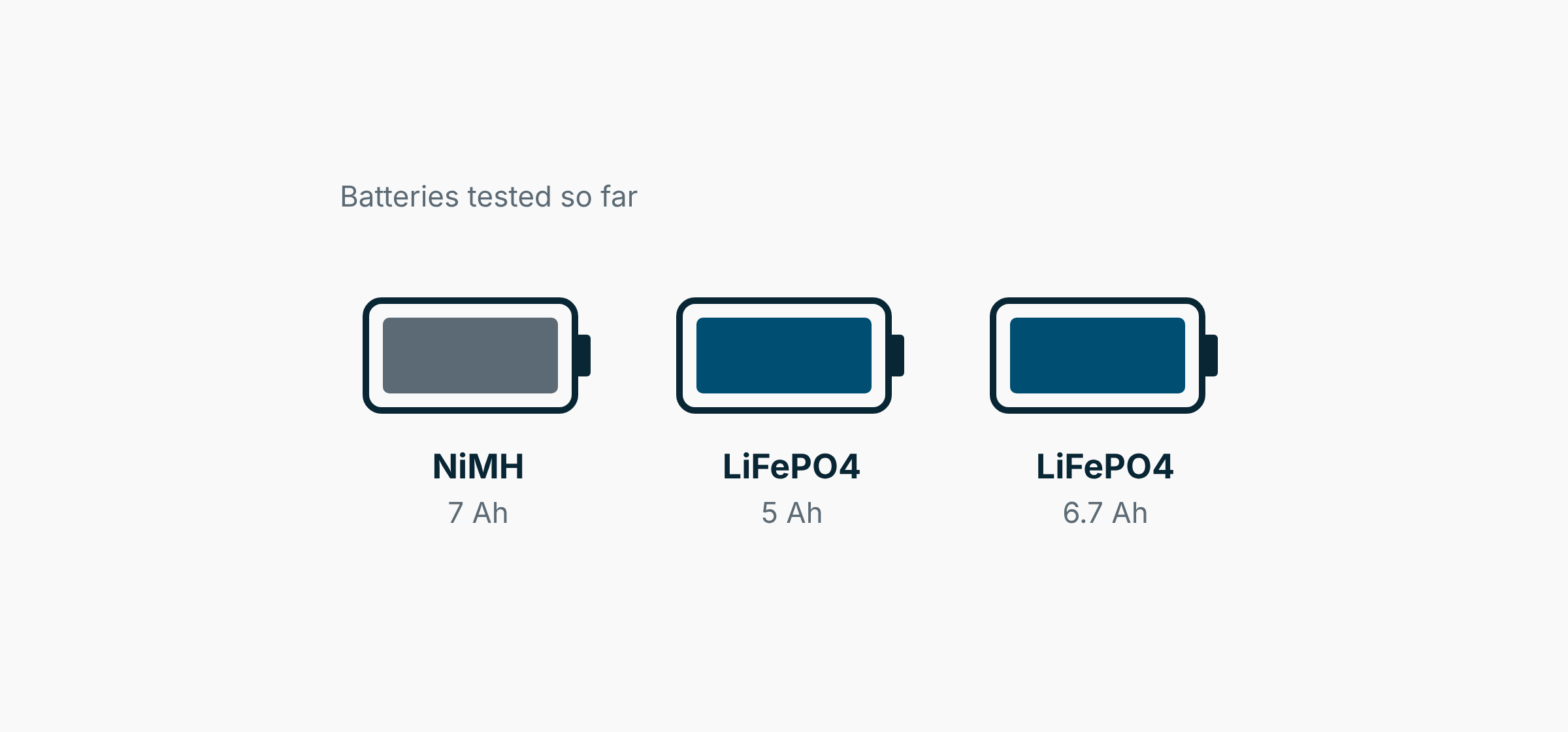
The team tested 7 Ah NiMH battery modules and 5 Ah and 6.7 Ah LiFePO4 cells. The tests measure the capacity, health, and lifespan of each battery. This helps determine the operating conditions under which the batteries last the longest. Next, tests will be conducted on at least 10 LiFePO4 cells with different capacities.
A02 · Classification and Segmentation Methods for Automotive Radar Images
The radar that distinguishes between a bridge and a stopped car
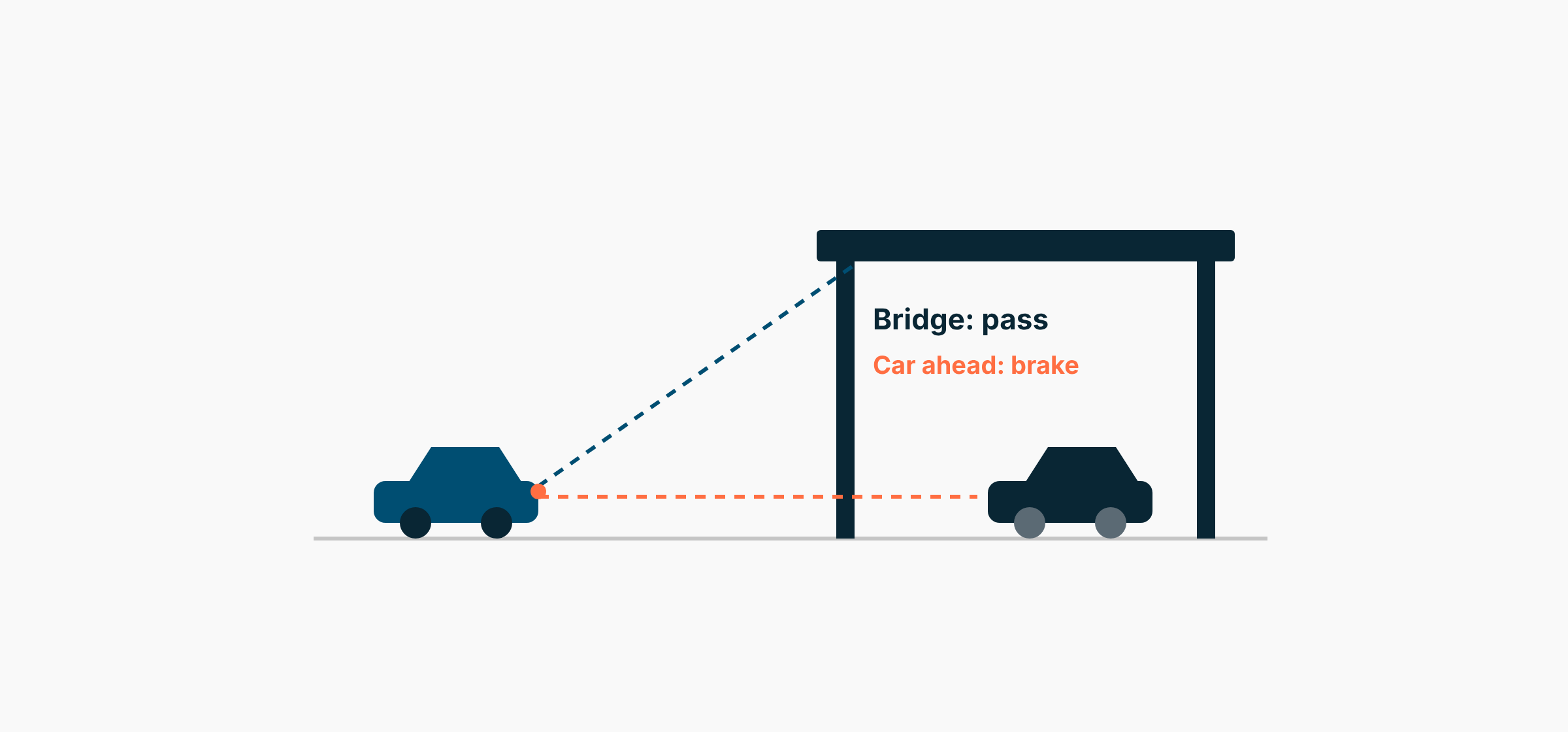
To avoid false alarms, a car radar system needs to know whether there is a bridge ahead or a car stopped in the lane. This usually requires additional antennas, arranged vertically. The team demonstrated that the car’s movement can be used to estimate the height of objects using a single antenna. The result was confirmed through simulation and an experiment using an NXP radar. It was accepted for presentation at the IEEE Radio and Wireless Week 2027 conference.
A14 · Optimizations and Security Enhancements for Embedded Systems and Domain-Specific Architectures
Encrypted computing up to 20 times faster
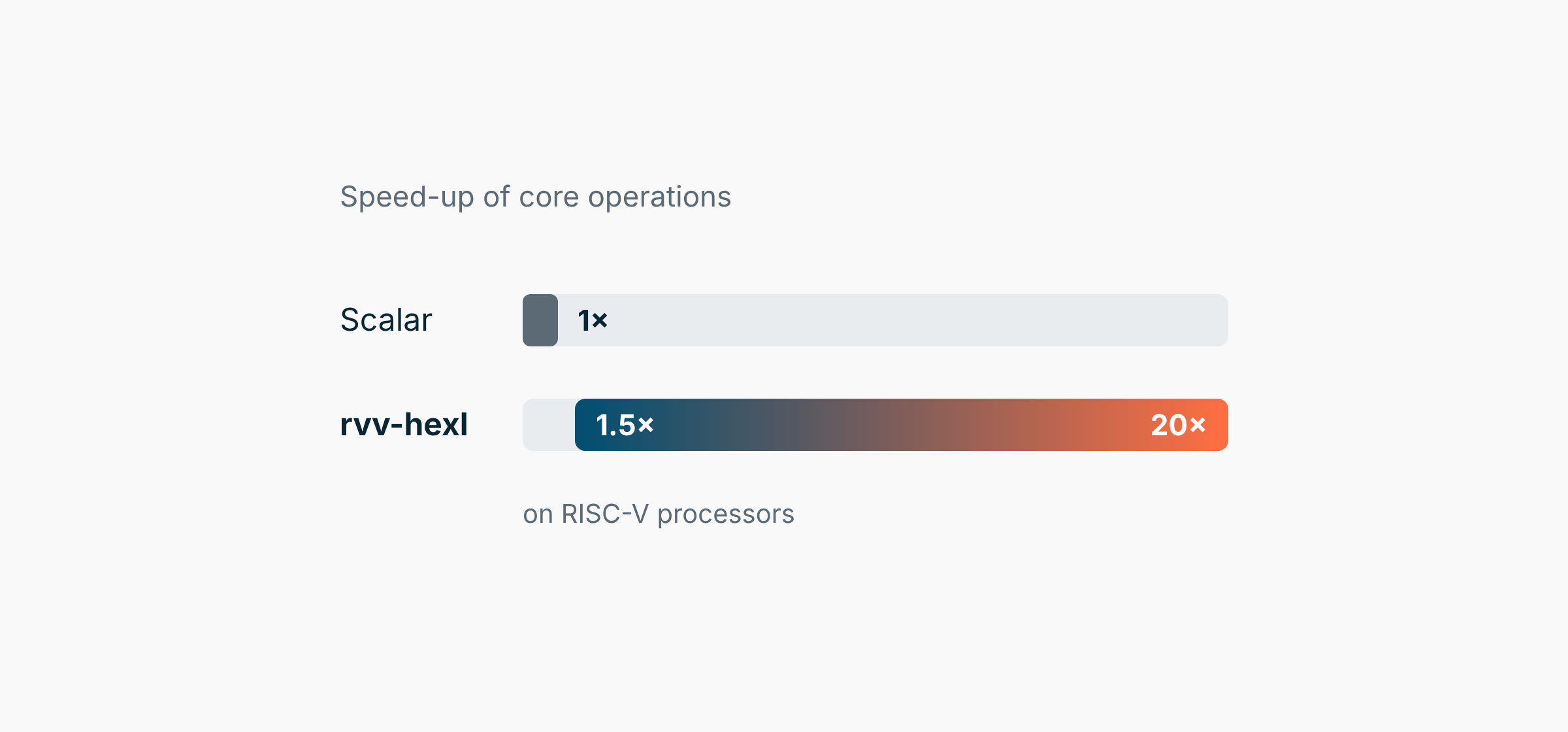
In a modern car, many functions depend on messages exchanged between onboard computers. With the protocol developed by the team, the central computer makes decisions without seeing the data in plain text. An attacker cannot read the data or inject false commands. To ensure this type of computation runs quickly, the team created rvv-hexl, a public library for RISC-V processors. It makes basic operations 1.5 to 20 times faster.
A08 · Methods for Training Safe Artificial Intelligence Models
A single faulty sensor can fool the AI behind the wheel
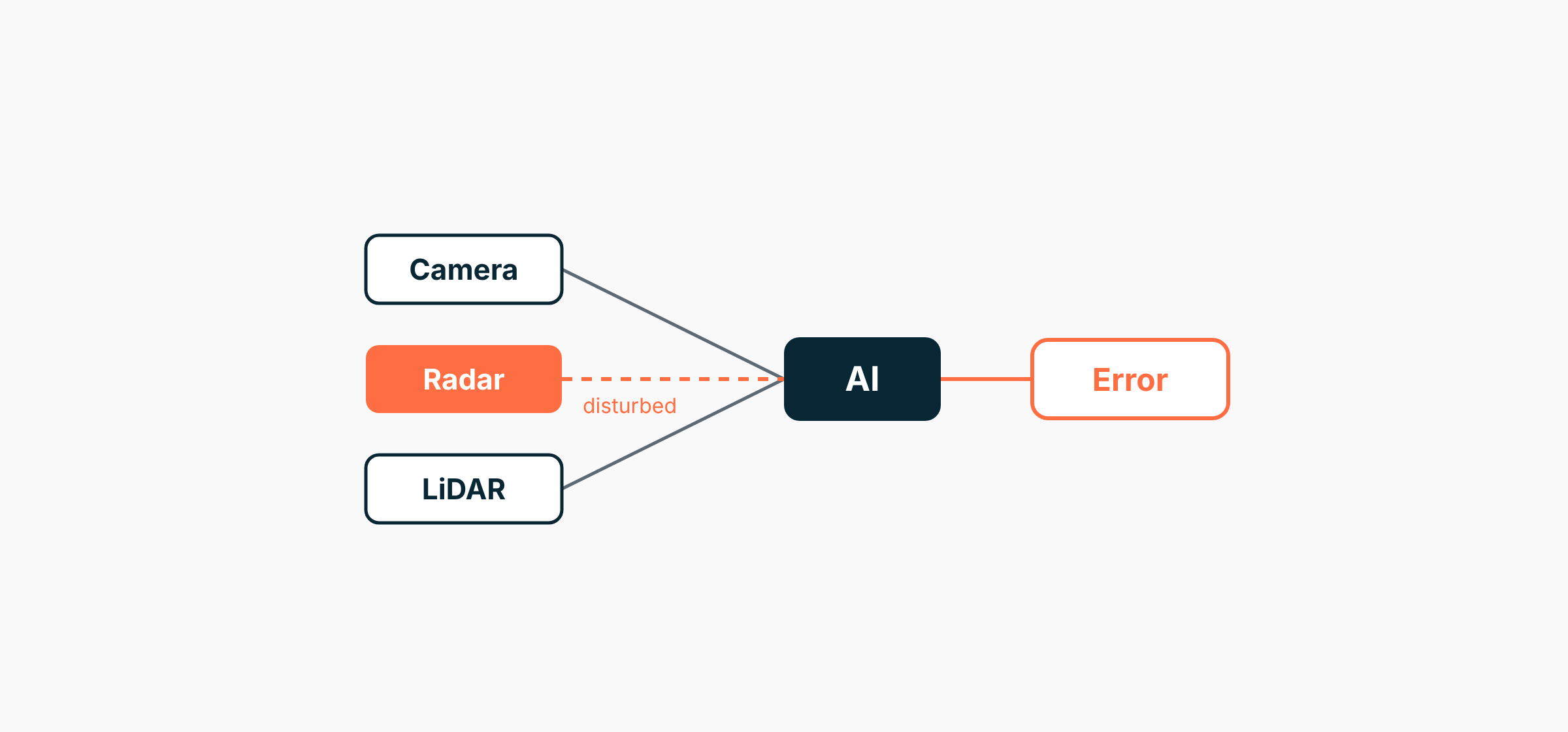
Driver-assistance systems combine data from cameras, radar, and LiDAR. The team analyzed more than 500 studies and demonstrated that a single malfunctioning sensor can cause the entire system to malfunction. Based on these findings, it is possible to build systems that remain safe in bad weather, with faulty sensors, or in the event of intentional attacks.
Open Discussions
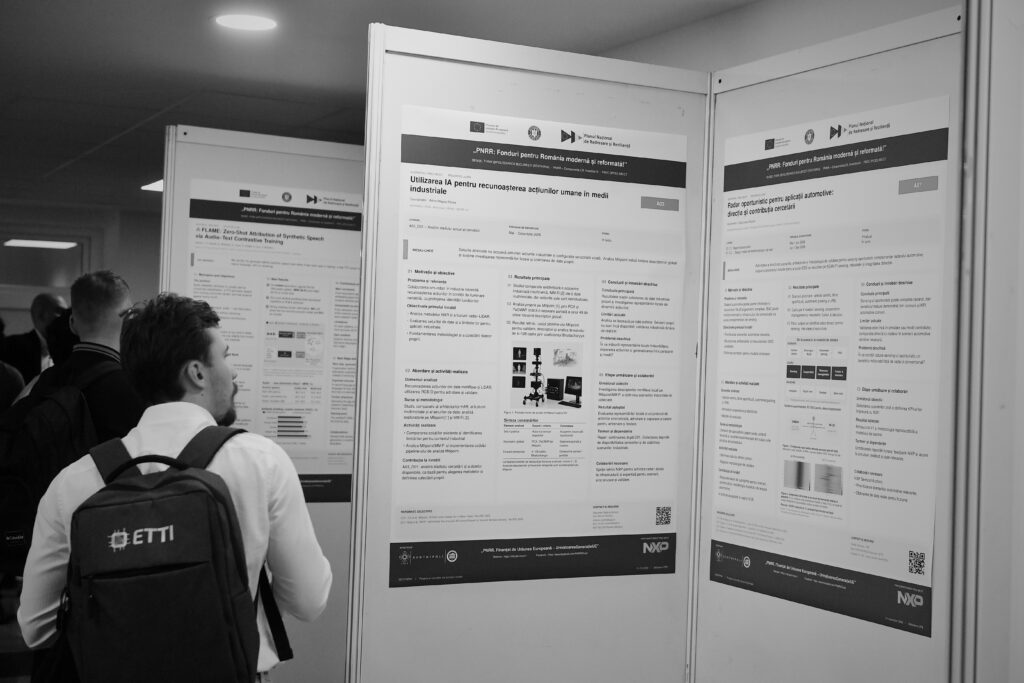
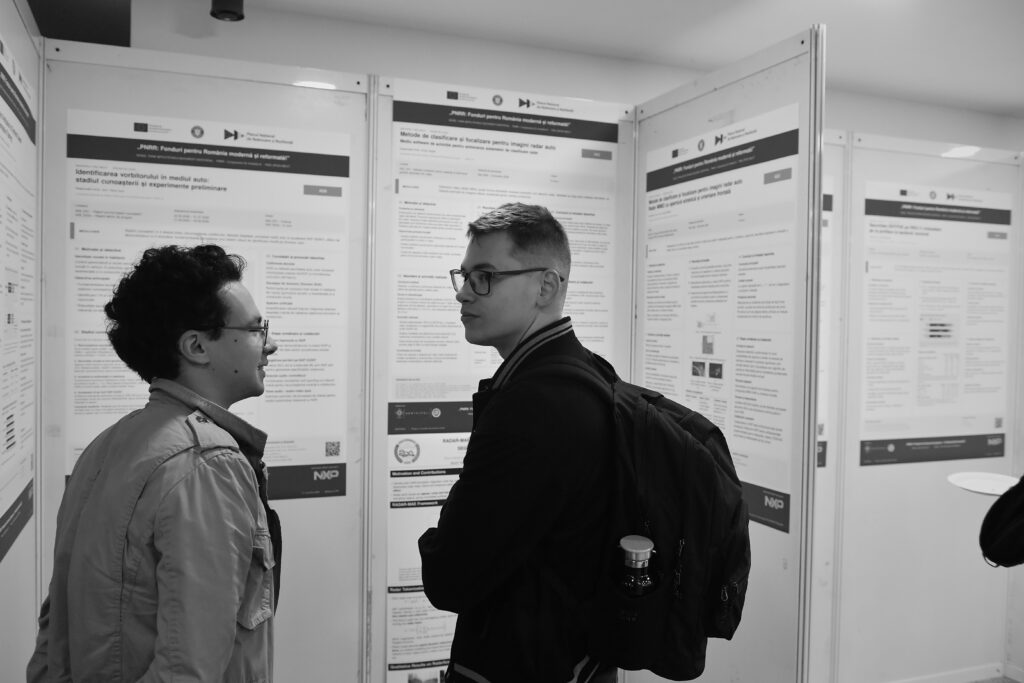
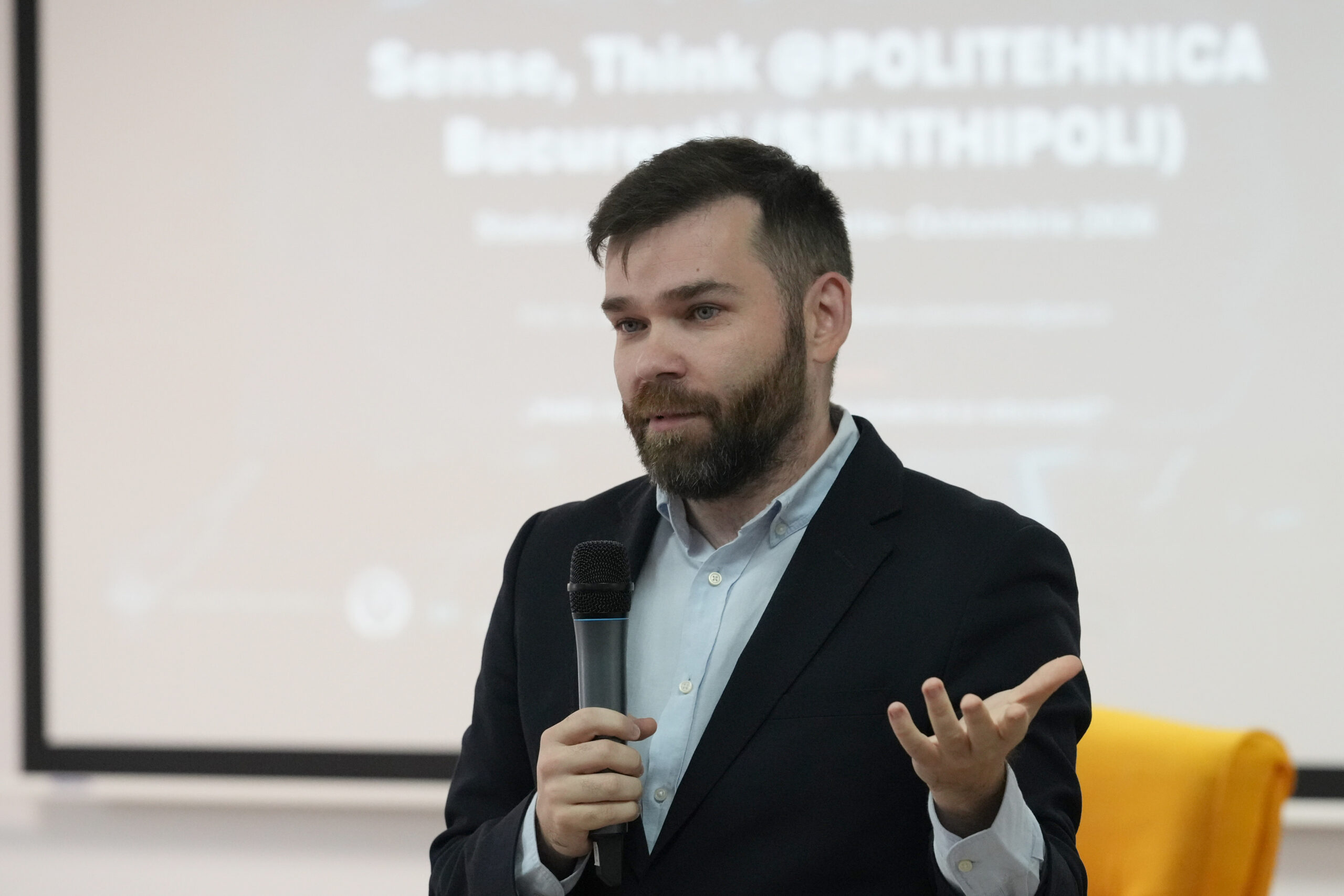
In addition to the presentations, each topic had its own booth. Each activity featured a poster showcasing the results and progress made so far. The format allowed for direct discussions between researchers, students, and NXP representatives.
Learn more about the SENTHIPoli study
What's Next
By the end of the year, the teams involved in the project will present their systems at the NXP Semiconductors Romania headquarters to obtain technical feedback from the industrial partner. The deliverables for the definition phase will also be completed during this period. Starting in 2027, the project will enter the implementation phase, which will include the development of data pipelines, the training of artificial intelligence models, and the creation of the first prototypes.
We would like to thank all of our research teams and partners for their commitment and collaboration so far.
 Romanian
 English